Property surveys and structural checks abroad work differently from country to country, and in many parts of Europe there is no automatic equivalent of the detailed home survey that buyers in the UK or Ireland are used to. In some countries a structural check is standard practice; in others it barely exists as a concept, and the buyer has to arrange one independently. The safest approach is to find out early what is normal where you are buying, and not to assume the process will mirror what happens at home.
This matters because a property survey is one of the few tools a buyer has to see past cosmetic finishes into the condition of the roof, foundations, damp course, wiring and plumbing before money changes hands. Skipping it, or assuming someone else in the transaction is already checking it on your behalf, is one of the more expensive mistakes a cross-border buyer can make.
Why the survey landscape varies so much by country
In the UK and Ireland, mortgage lenders typically require some form of valuation or survey, and independent structural surveys are a well-established industry with recognised professional bodies. Move to much of continental Europe and the picture changes. In many civil-law countries, the notary’s role centres on verifying legal title, checking for registered charges, and confirming the transaction is properly recorded — not on assessing the physical condition of the building. Our overview of what a notary does when you buy property in Europe explains where that role starts and stops, and structural condition generally falls outside it.
Because of this, a buyer purchasing a resale apartment in Spain, France, Portugal, Italy or Greece cannot assume that any official in the transaction is quietly checking the roof timbers or the state of the wiring. If a survey happens at all, it is usually because the buyer, or their own lawyer, arranged it separately. This is one more reason engaging an independent lawyer who is not connected to the seller or the selling agent is worth doing early, a point covered in more detail in why you need your own lawyer buying abroad — a good lawyer can flag whether a structural check is customary in that market and help commission one if it is not.
What a structural check can actually cover
Where independent surveyors or building engineers do operate, their reports vary in depth. Broadly, checks tend to fall into a few tiers:
- Visual or condition report — a walk-through noting visible defects, damp, cracking, roof condition and obvious maintenance issues, without opening up the structure.
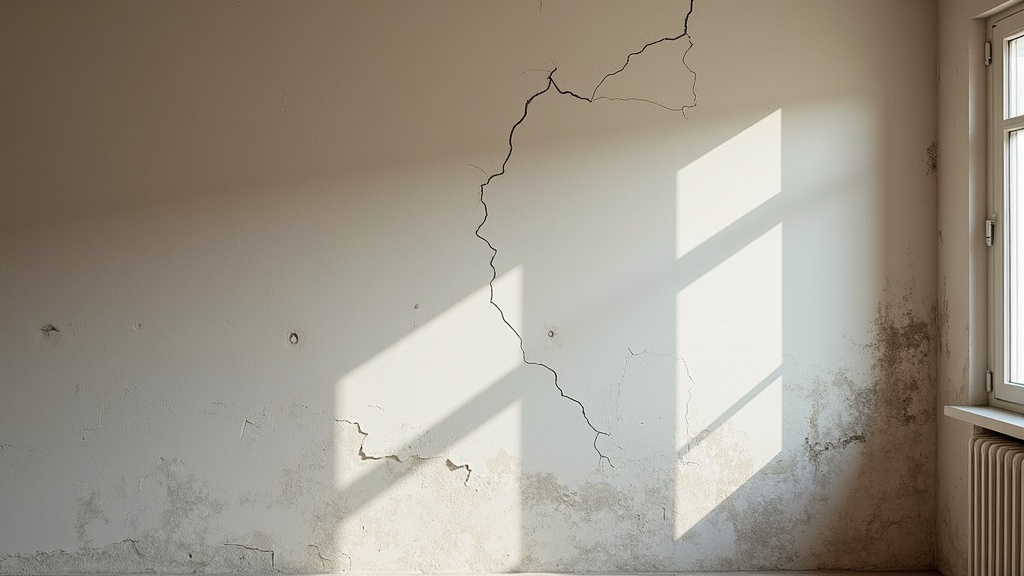
- Full structural survey — a more invasive assessment of foundations, load-bearing walls, roof structure and drainage, often used for older buildings or where visible cracking or subsidence is a concern.
- Specialist reports — separate checks for things like electrical installations, gas systems, timber or pest infestation, and energy performance, which in some countries are mandatory disclosures rather than optional extras.
Older stone or masonry buildings, converted barns, and properties in areas with a history of ground movement or flooding tend to justify the more thorough level of check. A newer apartment in a well-established development may need less, though even new builds can have latent defects that only a qualified inspector would catch.
Mandatory disclosures versus voluntary surveys
Some countries require sellers to provide specific technical diagnostics before a sale can complete — reports covering things like energy performance, presence of asbestos or lead, termite risk, or the state of gas and electrical installations depending on the age of the property. These are not the same as a full structural survey; they are narrower, legally mandated disclosures designed to inform the buyer, and the seller commissions and pays for them rather than the buyer. Whether such diagnostics exist, what they cover, and who is responsible for arranging them differs by country, and sometimes by region within a country, so this is a specific question to put to a local lawyer rather than assume based on a previous purchase elsewhere.
A voluntary structural survey is different again: it is commissioned by the buyer, for the buyer’s own protection, and is not a legal requirement in most European markets. Because it is optional, it is also the check most often skipped under time pressure — particularly when a preliminary contract has already been signed and a deposit paid. Understanding what that contract actually locks you into, as covered in what a preliminary contract commits you to, matters here: in some jurisdictions a survey clause or condition can be built into that preliminary agreement, but only if it is negotiated before signing, not after.
Timing: before or after the preliminary contract?
Ideally, any structural check happens before signing a preliminary or reservation contract, while the buyer can still walk away without financial consequence or renegotiate the price based on what the survey finds. Once a preliminary contract is signed and a deposit handed over, withdrawing because of a structural problem discovered afterwards can be far harder, and in some systems the deposit is only recoverable under specific conditions written into that contract.
In practice, buyers moving quickly in a competitive market sometimes feel pressure to sign a reservation agreement before a survey can be arranged. Where that happens, it is worth discussing with an independent lawyer whether a conditional clause — making the purchase subject to a satisfactory structural report — can be included, rather than proceeding on trust.
Who to instruct, and how to check they are independent
A structural surveyor or building engineer engaged for a purchase abroad should have no financial relationship with the seller, the listing agent, or the developer. This sounds obvious, but in some markets it is common for an agent to “recommend” a surveyor they work with regularly, and that recommendation can carry a quiet conflict of interest. The same logic that applies to choosing your own lawyer applies here: independence is the point. Ask what professional body or licensing regime the surveyor is registered under in that country, since recognised qualifications and complaints procedures differ by jurisdiction and are not always equivalent to what exists at home.
Questions worth asking before commissioning a check
- Is a structural survey standard practice for this type of property in this country, or unusual?
- What does the report cover, and what is explicitly excluded — roof access, underground drainage, electrics?
- Is the surveyor independent of the seller, the agent and any developer involved?
- What professional qualification or registration do they hold locally?
- How does the timing fit around the preliminary contract and deposit?
Costs, and how they interact with everything else
A structural check adds an upfront cost on top of the purchase price, and that cost depends on the property’s size, age and location, along with the depth of report requested — figures are not consistent across countries or even regions, so a specific quote should always be confirmed directly with the professional involved rather than assumed from what a survey might cost elsewhere. It is also worth remembering this is just one line among several often-overlooked costs of buying; our roundup of the costs of buying property abroad nobody mentions covers others that catch buyers off guard, and the running costs that follow are addressed separately in ongoing costs of owning property in another country. If the purchase involves financing, a lender’s own valuation — which is not the same thing as a structural survey and should not be relied on as one — may also come into play, something explored further in getting a mortgage in Europe as a non-resident.
For a broader sense of how all these pieces — notary, contract, survey, financing — fit together across a purchase, the general walkthrough in how buying property in Europe actually works is a useful starting point, alongside the wider buying process archive and the costs and taxes section for related detail.
Frequently asked questions about property surveys and structural checks abroad
Do I need a survey when buying property in Europe?
It depends on the country and the property. Some markets have no equivalent of a UK-style structural survey at all, so if you want one you generally have to arrange it yourself, ideally before signing any preliminary contract.
Does the notary check the structural condition of a property?
Generally no. A notary’s role in most European civil-law systems focuses on legal title, registered charges and correctly recording the sale, not on inspecting the physical condition of the building itself.
Who pays for a structural survey when buying abroad?
A voluntary structural survey is typically arranged and paid for by the buyer, since it exists to protect the buyer’s interests, unlike mandatory technical diagnostics that some countries require the seller to provide.
Can I back out of a purchase if the survey finds problems?
That depends entirely on what the preliminary contract says. If a survey condition wasn’t negotiated into it before signing, withdrawing after problems are found can be legally and financially difficult.
How do I find an independent surveyor in another country?
Ask an independent lawyer not connected to the seller or agent for guidance on local professional registration bodies, and confirm the surveyor has no financial relationship with anyone else involved in the sale.
Europe Realtor publishes general information about European property, not legal, tax, financial or immigration advice. We are writers and editors, not estate agents, lawyers, notaries or tax advisers. Rules differ by country and often by region, and they change. Before committing money, engage an independent lawyer in the relevant country who is not connected to the seller or the agent, and confirm your tax position with an adviser qualified in that jurisdiction.