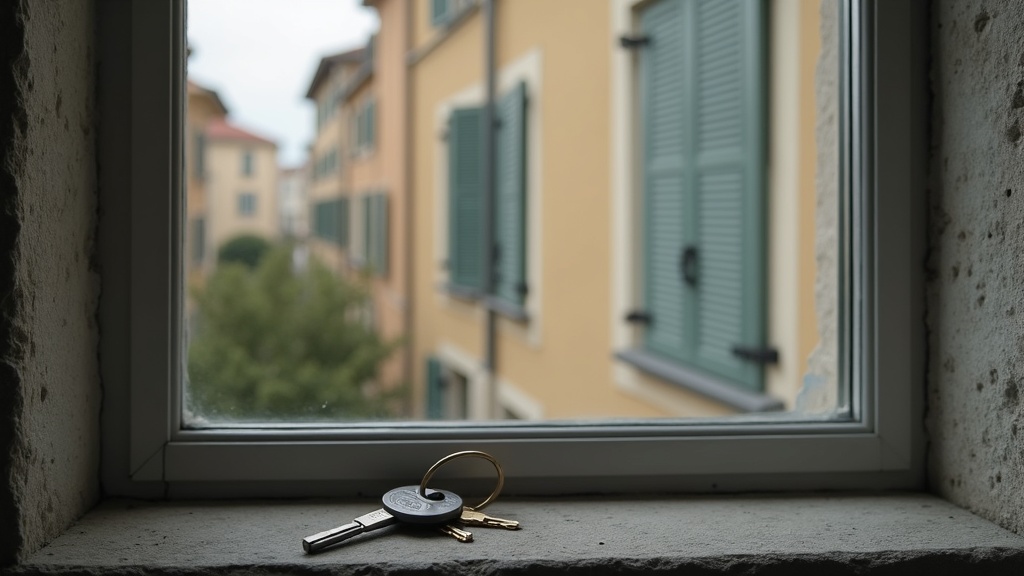
Maintaining a property you do not live in means putting arrangements in place for someone to check the building, keep utilities and insurance active, handle emergencies like a burst pipe or a break-in, and meet whatever local rules apply to unoccupied or partly-occupied homes. In practice this usually means a combination of a trusted keyholder or paid property manager, remote monitoring where available, and clear instructions — often backed by a power of attorney — for anyone acting on your behalf. What exactly is required, and how strictly it is enforced, varies by country and even by municipality, so this is one area where confirming local expectations matters more than following general habit.
Why an empty or absent-owner home needs active management
A property does not pause when nobody is living in it. Pipes can freeze and burst in winter if heating is switched off entirely. Damp and mould can take hold in closed, unventilated rooms, particularly in coastal or humid climates. Insurance policies frequently include conditions about vacancy periods, and a claim can be refused if the property was left empty beyond the insurer’s stated limit without notifying them. Utility providers may still bill standing charges even with zero consumption, a point covered in more detail on the site’s page about utilities and standing charges in European homes. None of this is unique to any one country, but the specific triggers — how many consecutive weeks counts as “vacant,” what temperature the heating must be kept at, whether a neighbour’s key is enough or a registered agent is required — differ by jurisdiction and by insurer.
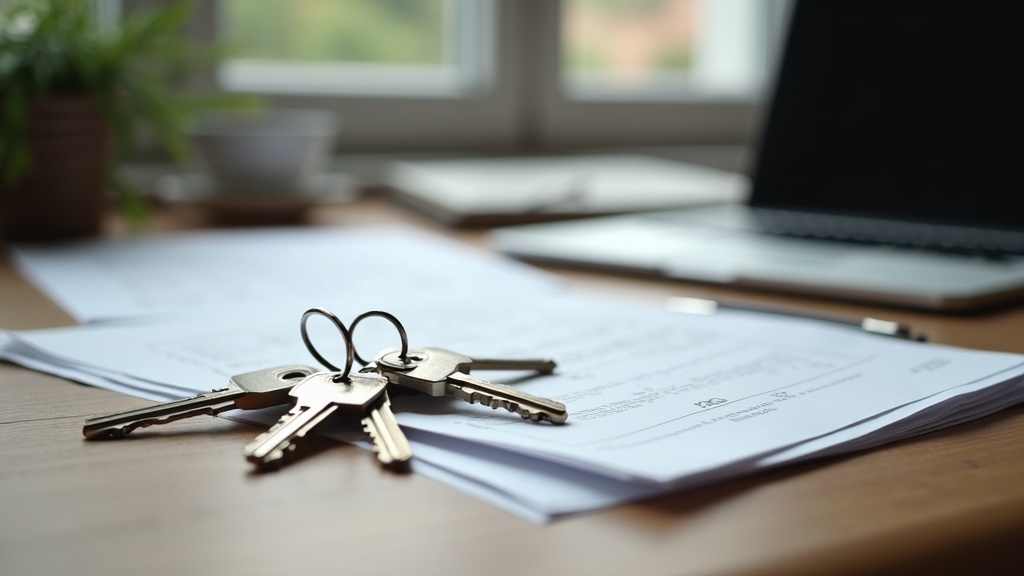
Who actually does the checking
Owners generally rely on one of a few arrangements, and most combine more than one:
- A local keyholder — a neighbour, relative or friend who visits periodically, checks for obvious problems and can let in a tradesperson if something goes wrong.
- A paid property management or caretaking service — common in areas with a large number of foreign-owned holiday homes, offering scheduled visits, meter readings and coordination with repair contractors.
- Remote monitoring systems — water leak sensors, smart thermostats and cameras that alert the owner directly, though these still need someone locally able to act on an alert.
- A resident tenant — if the property is let rather than left empty, occupation itself is a form of maintenance, though it brings its own obligations covered on the page about letting out a property you own abroad.
Whichever route is chosen, the core question is the same: who has authority to make decisions and spend money when the owner cannot be reached quickly, and how is that authority documented.
Power of attorney and remote authority
Because owners abroad are frequently unavailable at short notice, many arrange a power of attorney so a trusted person — sometimes the keyholder, sometimes a lawyer — can sign for repairs, deal with a utility company, or handle an unexpected legal notice without the owner physically present. The scope of this authority needs to be defined carefully: a document broad enough to cover emergency repairs is not the same as one that allows someone to sell the property or take out a loan against it. The mechanics of setting this up, including how it is recognised across borders, are covered on the page about power of attorney in a foreign property purchase, and the same considerations generally apply to ongoing ownership, not just the purchase itself.
Costs that continue regardless of occupancy
An unoccupied property does not stop generating costs. Depending on the country, these can include:
- Property or council-style taxes that apply whether or not anyone lives there
- Building or community charges in apartment blocks, covering shared maintenance, insurance and reserve funds
- Standing charges for water, electricity and gas even at minimal usage
- Insurance premiums, which may rise if the property is registered as unoccupied for part of the year
- Fees for a management or caretaking service, if one is used
None of these figures can be quoted reliably here, because they depend on the country, the region, the size and type of property, and the year — all of which change. The general shape of what tends to be charged is set out on the page about ongoing costs of owning property in another country, but the actual amount should always be confirmed with the relevant utility provider, tax office or building administrator directly.
Insurance and mortgage conditions
If the property carries a mortgage, the lender’s terms may include conditions about occupancy, insurance cover and who is permitted to reside there — sometimes tied to life insurance requirements attached to the loan, a topic covered on the page about life insurance and mortgage requirements abroad. Insurers, separately, often ask how many months a year the property is occupied and may require specific precautions — draining water systems before a long absence, for instance, or notifying them before leaving it empty for an extended period. Skipping this step is one of the more common ways owners discover, after the fact, that a claim will not be paid.
Seasonal and climate-specific risks
What “maintenance” actually involves shifts with climate and season. In colder regions, frozen and burst pipes during winter absences are a recurring cause of serious damage, which is why heating systems are often left on a low setting rather than switched off entirely. In warmer, coastal or humid regions, closed-up properties are more prone to mould, pest issues and salt-air corrosion on fittings. Storm shutters, drainage around the property, and roof checks after severe weather are the kind of periodic tasks a keyholder or manager is typically asked to cover, alongside routine checks that nothing has been damaged, entered or left running.
When maintenance meets residency and address rules
A property that is not the owner’s main residence can still have implications for registration duties in the country where it sits. Some countries expect any address changes, extended stays, or use of the property to be reflected in local registration systems, a subject explored on the page about registering your address after moving to Europe. This is separate from residency status itself — owning and maintaining a property does not automatically grant any residency right, and how visas or permits interact with periods spent at the property is a distinct question covered under Residency & Visas. Rules in this area change periodically, so the current requirement should always be checked against the relevant government source rather than assumed from a previous visit or from what applied when the property was bought.
Bringing it together
Maintaining a property from a distance is less about any single task and more about building a reliable chain: someone locally who can check on the property, clear authority for that person to act when needed, insurance and utility arrangements that reflect how the property is actually used, and an understanding of the ongoing costs and obligations that apply in that specific country. The broader mechanics of ownership abroad, including how these pieces fit with buying, letting and eventually selling, are covered across the Owning & Selling section. Because so much of this depends on national and even municipal rules, engaging an independent lawyer in the country where the property is located — someone with no connection to any agent, manager or seller involved — remains the most reliable way to confirm what applies before problems arise rather than after.
Frequently asked questions about maintaining a property you do not live in
Do I have to pay property taxes if nobody lives in the house?
In most countries, property or municipal taxes are tied to ownership rather than occupancy, so they typically continue whether or not the property is used. The specific tax, its basis and any exemptions vary by country and region, so confirm the current position with the local tax authority.
Will my home insurance still cover an empty property?
Many insurers apply conditions once a property is unoccupied beyond a set number of consecutive days or weeks, sometimes requiring notification or extra precautions. Terms differ by insurer and country, so check the policy wording directly and inform the insurer before an extended absence rather than assuming standard cover applies.
Can someone else legally act for me if I’m not there?
Yes, typically through a power of attorney that defines exactly what the appointed person can do — sign for repairs, deal with authorities, or handle wider matters. The scope, format and cross-border recognition of this document vary by country, so it needs to be set up correctly for the jurisdiction involved.
What happens if pipes freeze while a property is empty?
A burst pipe from freezing is one of the most common causes of serious damage in unoccupied homes in colder climates, which is why heating is often left running at a low level rather than off. Insurance cover for this scenario depends on the policy and whether required precautions were followed.
Is it better to let the property out than leave it empty?
Occupied properties generally see fewer issues from neglect, but letting brings separate obligations around tenant rights, deposits and tax reporting that an empty property does not. Which approach suits a given situation depends on local rental rules, personal circumstances and how much oversight the owner can realistically provide.
Europe Realtor publishes general information about European property, not legal, tax, financial or immigration advice. We are writers and editors, not estate agents, lawyers, notaries or tax advisers. Rules differ by country and often by region, and they change. Before committing money, engage an independent lawyer in the relevant country who is not connected to the seller or the agent, and confirm your tax position with an adviser qualified in that jurisdiction.