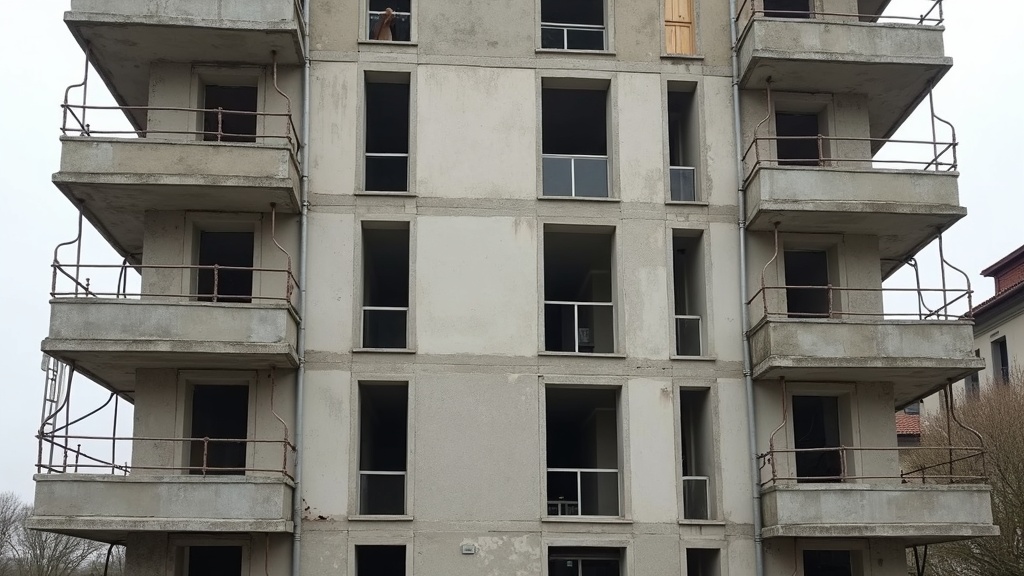
Off-plan property means buying a home before it is finished, sometimes before construction has even started. The core difference from buying a completed property is that you are paying in stages against a build that does not yet exist, rather than paying once against something you can walk through and inspect. That shifts the risk balance toward the buyer, changes how contracts and payments are structured, and adds a completion date that can move. The exact protections available — deposit guarantees, staged payment rules, penalties for delay — vary sharply by country, so what follows describes the general shape of the process rather than any one jurisdiction’s rules.
What “off-plan” actually means
An off-plan purchase is an agreement to buy a unit in a development that is under construction or still on the drawing board. You are buying against plans, specifications and a marketing brochure, not a finished flat. The developer uses buyer payments, often alongside bank finance, to fund the build. Because you are committing money before there is anything to survey or hand a key over for, the whole transaction is built around trust in the developer’s ability to finish the project, and around whatever legal mechanisms exist locally to protect your money if they don’t.
This is different in kind from buying a resale property, where the building already stands, a structural check is possible before you commit, and completion typically follows within weeks rather than years. The general mechanics of buying in Europe are covered on the site’s how buying property in Europe actually works page; this article focuses specifically on what changes when the property doesn’t exist yet.

Staged payments instead of one completion payment
In a resale purchase, money usually moves in two steps: a deposit on signing a preliminary contract, then the balance at completion. Off-plan purchases typically spread payment across several instalments tied to construction milestones — foundation laid, structure complete, roof on, interior finishes, and so on. Each instalment is usually set out in the contract as a percentage of the price, due against a defined stage rather than a calendar date.
What this means in practice is that your exposure builds gradually. Early in the build you may have paid a relatively small share of the total price against a project that is still mostly a hole in the ground. Later instalments increase your exposure just as the building becomes more visible and, in principle, more likely to complete. Some countries require staged payments to be held in a protected or escrow-style account until milestones are verified; others leave this to what the developer and buyer negotiate. Confirming what protects staged payments in the specific country and region is not optional homework — it is the single practical question that off-plan buying adds to the process.
The preliminary contract carries more weight
Every property purchase involves some form of preliminary agreement before the final transfer, but in an off-plan sale that document has to do more work. It needs to specify not just the price and parties but the build specification, the payment schedule, the target completion date, what happens if completion is delayed, and what recourse exists if the developer fails to finish. Because so much depends on this single document, it is worth reading in full rather than skimming the summary a sales agent provides. The general article on what a preliminary contract commits you to covers the mechanics that apply to any purchase; with off-plan property, treat every one of those commitments as amplified, since you are locking in obligations against a building that does not yet physically exist.
Delay is normal, and the contract should say what happens
Construction projects run late. Weather, permitting, supply chains and contractor disputes all push completion dates back, and this is common enough that it should be treated as a planning assumption rather than a worst case. What differs by contract and by country is whether there is a formalised grace period, whether penalties accrue to the developer for delay beyond that period, and what rights a buyer has if the delay becomes severe — up to and including a right to walk away and recover payments made. None of this is guaranteed by default; it depends on what was negotiated and what local consumer protection law provides. This is one of the clearest reasons an independent lawyer acting only for you, not for the developer or the selling agent, should review the contract before signing rather than after a problem appears.
There is nothing to survey until there is something to survey
With a completed property, a structural survey or technical check before completion is a standard safeguard. With off-plan property, that step effectively moves to the end of the process: a formal inspection, sometimes called a snagging check, happens once the unit is built and before final handover, looking for defects against the agreed specification. Some countries also give buyers a defined period after handover during which the developer remains liable to fix construction faults. The general points covered in the article on property surveys and structural checks abroad still apply once the building exists — they are simply delayed until the end of an off-plan purchase rather than sitting near the beginning.
Notary involvement and the moment of transfer
In countries where a notary is part of the buying process, their core role — verifying identity, checking the title is clear, formalising the transfer of ownership — happens at final completion, once the property is built and registrable. During the construction phase, the developer usually retains legal ownership while the buyer holds a contractual right to acquire it once finished. Understanding exactly when legal ownership passes, and what protects the buyer’s payments before that point, is worth asking about directly. The role a notary plays when buying property in Europe is described more generally elsewhere on the site; for off-plan purchases, ask specifically when in the build timeline that role is triggered.
Financing across a longer, uncertain timeline
Mortgage arrangements for off-plan property often differ from a standard purchase loan. Some lenders release funds in stages matching the construction payment schedule rather than as a single lump sum at completion; others require the full mortgage to be arranged and drawn against a completion date that may itself move. Non-resident buyers face an additional layer of checks that vary by lender and country, covered generally in the piece on getting a mortgage in Europe as a non-resident. Because an off-plan build can run over one or more years, currency movements between signing and each payment instalment can materially change what the purchase actually costs in your home currency — a factor explored in more detail in the article on currency risk when buying property abroad.
What to ask, rather than what to assume
- What legal mechanism, if any, protects staged payments before completion in this country and region?
- What happens contractually if the completion date passes without the building being finished?
- Is the developer, or the specific project, required to hold any completion guarantee or insurance, and how is that verified?
- At what point does legal ownership transfer, and what body records or registers that transfer?
- What defect-liability period applies after handover, and how are claims made under it?
These questions sit squarely in the territory an independent lawyer and, where relevant, an independent surveyor are equipped to answer for a specific project and jurisdiction — general reading can tell you what questions exist, not what the answer is for the building in front of you. Broader country-by-country context on how purchases proceed generally is available in the site’s buying process section, and the ongoing running costs once a property is finished are a separate topic worth reading before signing anything.
Frequently asked questions about off-plan property
Is buying off-plan riskier than buying a finished property?
It carries different risks rather than automatically more of them: construction and completion risk instead of the risks tied to an existing structure. Whether staged payments are protected, and whether the developer completes on time, depends heavily on the country, the contract and the specific project, so this needs checking case by case.
Can I get a mortgage for an off-plan property?
Often yes, though lenders may release funds in stages tied to construction milestones rather than one lump sum, and requirements differ for non-resident buyers. Confirming a lender’s specific policy for off-plan purchases, and how it interacts with the developer’s payment schedule, is worth doing before signing any contract.
What happens if the developer doesn’t finish the building?
The outcome depends on what protection the contract and local law provide for payments already made, such as escrow arrangements, completion guarantees or insurance. This is exactly the kind of contractual detail an independent lawyer reviews before signing, since generic answers cannot cover every country’s rules.
When do I actually own an off-plan property?
Legal ownership typically transfers at final completion, once the building exists and can be formally registered, not when the preliminary contract is signed. Before that point buyers usually hold a contractual right to acquire the property rather than ownership itself, and the exact moment of transfer varies by country.
Do I still need a survey if I’m buying off-plan?
Yes, though it happens later in the process — typically as a snagging inspection once the unit is built and before final handover, checking it matches the agreed specification. Some countries also provide a defect-liability period afterward, and it’s worth confirming what that covers before accepting handover.
Europe Realtor publishes general information about European property, not legal, tax, financial or immigration advice. We are writers and editors, not estate agents, lawyers, notaries or tax advisers. Rules differ by country and often by region, and they change. Before committing money, engage an independent lawyer in the relevant country who is not connected to the seller or the agent, and confirm your tax position with an adviser qualified in that jurisdiction.