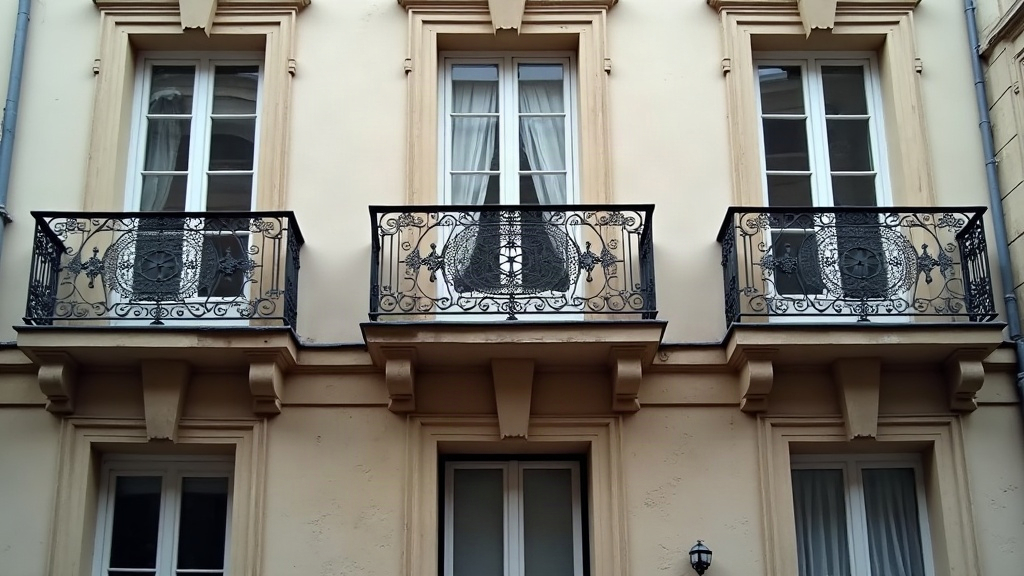
Renting long term in France means choosing between two distinct legal frameworks — furnished and unfurnished — each with its own lease length, deposit cap and notice period. The rules are set in national tenancy law, but one major variable sits on top of them: a handful of cities apply rent caps that limit what a landlord can charge at all. Expect a written lease, a capped deposit, and strict notice rules that favor the tenant far more than in many other countries.
Two Lease Types, Two Rulebooks
French residential tenancies split into two categories. An unfurnished lease, the bail nu, runs for three years when the landlord is an individual. A furnished lease, the bail meublé, runs for one year, or nine months for a student tenant who does not want renewal. The distinction is not cosmetic. It changes deposit limits, notice periods and how the lease automatically renews.
| Feature | Unfurnished (bail nu) | Furnished (bail meublé) |
|---|---|---|
| Standard lease term | 3 years | 1 year (9 months for students) |
| Deposit cap | 1 month’s rent excluding charges | 2 months’ rent excluding charges |
| Tenant notice period | 3 months, reduced to 1 month in capped zones or for specific situations | 1 month, always |
| Landlord notice period | 6 months, only at lease end, with a valid legal reason | 3 months, only at lease end, with a valid legal reason |
A landlord cannot simply end either lease early. Non-renewal has to be justified — typically the owner reclaiming the home to live in it, selling it, or citing a serious breach by the tenant. The general shape of tenant protection across Europe tends to favor long-settled occupants, and France sits firmly at that end of the spectrum.

Notice Periods: Who Owes What, and When
Tenants have the easier exit. In a furnished lease, one month’s notice is enough, no justification needed. In an unfurnished lease, the standard is three months. That drops to one month in several defined cases: the property sits in a designated rent-tension zone, the tenant has lost their job, found a first job, is receiving certain social benefits, or has a medical condition requiring relocation. Each case needs documentation attached to the notice letter.
Landlords face a stricter bar. They can only decline to renew at the natural end of the term, never mid-lease, and only for one of the legally recognized reasons. A notice letter that skips the reason, or gives one outside this list, generally does not hold up. This asymmetry is one of the clearest differences from renting in, say, Spain, where notice rules work differently again.
Deposits: Caps and Return Timing
The deposit, or dépôt de garantie, is capped by law rather than left to negotiation. One month’s rent, excluding charges, for an unfurnished lease. Two months for a furnished one. A landlord asking for more is outside the rules, and that figure should be checked against the lease wording and the official guidance on Service-Public.fr before signing anything.
Return timing follows a separate rule, common to both lease types. If the state of the property matches the move-in inventory, the landlord has one month to return the deposit. If deductions are made, the window extends to two months. Keeping a detailed, signed état des lieux at both move-in and move-out is the single best protection a tenant has here — more on what to check is covered in our piece on how rental deposits are returned across Europe generally.
Rent Caps: Which Cities, and How the Reference Rent Works
This is where France diverges sharply from most of the continent. A number of cities apply encadrement des loyers — rent caps tied to a published reference rent. Paris, Lille, and the Lyon–Villeurbanne area currently apply it. Bordeaux has moved toward adopting the mechanism as well, and the list of participating municipalities has grown and shifted over recent years, so the current status for any specific address needs confirming locally rather than assumed from memory.
The mechanism itself works on three numbers for each rental zone, set by local rent observatories: a reference rent, a lower reference rent, and an upper reference rent, usually calculated as the reference figure plus 20%. Rent at signing cannot exceed the upper figure, based on the property’s size, age, number of rooms and furnished status. Landlords can apply a limited surcharge, or complément de loyer, only for a documented feature the reference rent does not already capture — a private garden, an exceptional view, that kind of thing — and tenants can contest an unjustified surcharge through a dedicated commission.
Checking whether a specific address falls inside a capped zone, and what its reference rent actually is, is a concrete step worth taking before signing — not a formality to skip. The official Service-Public.fr guidance on rent control lists the participating cities and explains how to look up the reference figure for a given area.
Rent Increases Outside Capped Zones
Outside the capped cities, rent at signing is largely a matter of negotiation between landlord and tenant. Once the lease is running, however, any annual increase is still restricted. It can only track a published rent reference index, not whatever the landlord decides. That index, the indice de référence des loyers, is published quarterly by INSEE, France’s national statistics institute, and an increase clause only applies if it was written into the original lease.
The INSEE index moves with inflation broadly, not with local market pressure, which is exactly why capped cities exist as a separate layer on top of it. Mid-lease increases outside this index are not standard practice.
Before You Sign
A few practical steps apply regardless of lease type. Confirm the lease is written, since verbal tenancy agreements offer far weaker protection in a dispute. Check the inventory is detailed enough to protect the deposit later. Ask directly whether the property sits in a rent-controlled zone, and if so, request the reference rent in writing rather than taking the listed figure on trust.
France also requires newly arrived residents to handle administrative steps separate from the lease itself, including registering an address once settled. For a broader sense of what a lease should specify before signature, our lease checklist covers clauses that apply across several European markets, not just France. And for anyone weighing renting against buying in the first place, the buying guide hub and the dedicated page on how buying works in France lay out that separate process.
Rules on notice periods, deposit caps and capped cities do change, and the list of rent-controlled municipalities has already shifted more than once. The ANIL housing information network is a useful independent reference alongside the government’s own pages. Broader context on renting across the continent sits in our renting archive and the wider renting and living hub.
Europe Realtor publishes general information about European property, not legal, tax, financial or immigration advice. We are writers and editors, not estate agents, lawyers, notaries or tax advisers. Rules differ by country and often by region, and they change. Before committing money, engage an independent lawyer in the relevant country who is not connected to the seller or the agent, and confirm your tax position with an adviser qualified in that jurisdiction.